feature · anime / gaming
Sekiro: No Defeat Explained — Film, 8-Episode TV Series and Game Changes
Sekiro: No Defeat's eight-episode TV version premieres in January 2027 and will stream on Crunchyroll outside five excluded countries. Here's how it differs from the film.
 By Bamo Anwar6 min read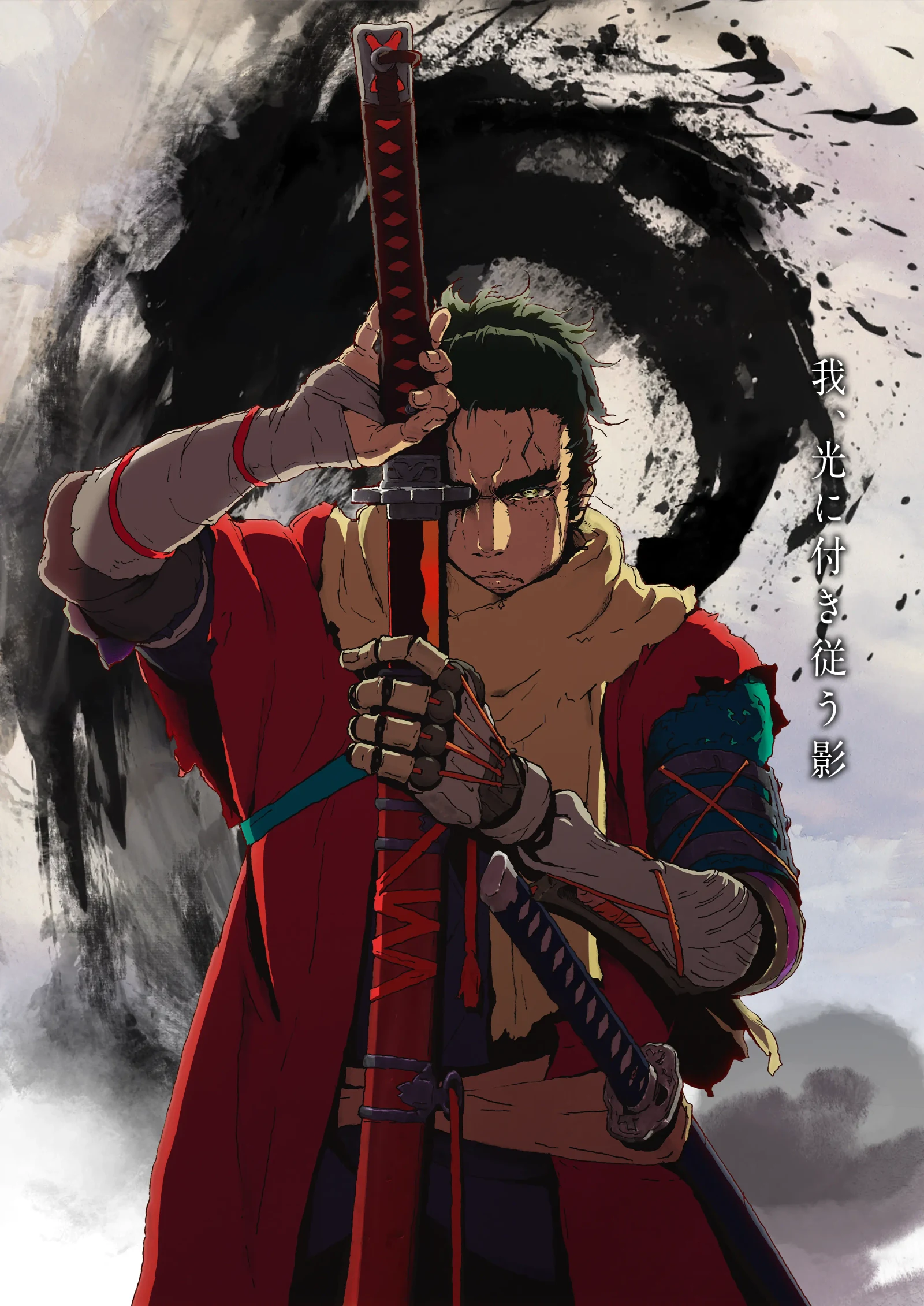
Updated September 27: Crunchyroll has now confirmed that it will stream the expanded series when it premieres in January 2027. An earlier version of this article left international streaming timing unresolved.
Sekiro: No Defeat is both a Japanese theatrical film and an upcoming eight-episode TV series. The film opened in Japan on September 4, 2026. Animation studio Qzil.la says the TV version will begin broadcasting in Japan in January 2027, rebuilding the film’s story with numerous additional scenes and cuts. Crunchyroll says it will stream the series when it premieres worldwide except in Japan, China, Korea, Russia and Belarus. No exact January premiere day or streaming time has been announced. The adaptation of FromSoftware’s Sekiro: Shadows Die Twice is directed by Kenichi Kutsuna, written by Takuya Satou, with character designs by Takahiro Kishida.
Is Sekiro: No Defeat a Film or a TV Series?
Both. Qzil.la’s September 25 Japanese announcement says the project began as an eight-episode TV series. The production released an edited film version first so audiences could experience its visuals and sound in theaters. The TV series follows the film’s story but adds material that did not appear in the theatrical cut. Qzil.la has not identified every new scene or episode, so the eight installments should not be described as eight wholly new stories or a separate remake.
The January 2027 window covers both Japanese TV broadcast and Crunchyroll’s announced international stream of the expanded series. Crunchyroll excludes Japan, China, Korea, Russia and Belarus from its streaming territory. The exact premiere day and hour remain unannounced; the earlier 2026 international release plan has been superseded.
Is No Defeat a Direct Adaptation?
OFFICIAL ADAPTATION STATEMENT: Not a beat-for-beat one. Kutsuna has said the goal was to “take as many elements from the underlying work of the game as possible” while acknowledging that “using every element from the games proved to be a difficult task.” FromSoftware was consulted during production on screenplay and storyboard elements. The film compresses the game’s story; the TV reconstruction adds material, though the production has not published a scene-by-scene comparison.
Why Sekiro Is Hard to Adapt
GAME FACT: Sekiro: Shadows Die Twice is played through the player’s direct control of Wolf, generally from a third-person camera. Combat, exploration and optional encounters depend on player input.
INTERPRETATION: That structure doesn’t map directly onto a fixed-length film. A 107-minute runtime cannot include every route and optional encounter. The eight-episode version gives the production more room, but its new material has not been fully itemized.
How the Anime Changes the Point of View
OFFICIAL ADAPTATION STATEMENT: Kutsuna has addressed the difference between a player’s control of the protagonist and an anime viewer’s fixed perspective: “With the game, of course, you’re playing in the character, or the player’s, POV, so you have one point of view, and that wouldn’t really work for an anime, so we tried to adapt it as much as possible as an audio-visual type of medium.” His comment concerns narrative perspective; it does not mean the game uses a first-person camera. The adaptation must stage its scenes for viewers rather than follow each player’s choices.
What Happens to Player Choice and the Multiple Endings
GAME FACT: Shadows Die Twice has several distinct endings determined by choices players make late in the game, tied to how Wolf and Kuro resolve the Dragon’s Heritage bloodline and the fate it inflicts on Ashina.
OFFICIAL ADAPTATION STATEMENT: Kutsuna has framed this as a design philosophy issue as much as a plot one, describing the game as not being “a very kind game… to the players” and saying the production “wanted it to be open to interpretation in a similar way that the game presented itself to its players.” That’s a statement about tone and ambiguity, not a confirmation of which specific ending the film dramatizes.
STILL UNKNOWN: Neither the official site nor Kutsuna’s public comments name a specific game ending as the film’s canonical route. Until Qzil.la, KADOKAWA or FromSoftware states that directly, treat any claim that No Defeat follows one particular ending as unconfirmed — including claims based only on marketing copy, which frames the story around Wolf’s journey to change Kuro’s fate without specifying which resolution that journey ends in.
What the Anime Keeps From the Game
OFFICIAL ADAPTATION STATEMENT: The returning Japanese cast is a deliberate continuity choice — Daisuke Namikawa, Miyuki Satou and Kenjiro Tsuda reprise Wolf, Kuro and Genichiro Ashina from the original 2019 game rather than being recast. Production has also been explicit that the film is entirely hand-drawn 2D animation, with an official statement confirming no generative AI was used at any stage.
INTERPRETATION: Keeping the original voice cast is one of the clearest signals that Qzil.la is treating this as a continuation of the same performances players already know, not a reinterpretation from scratch — consistent with Kutsuna’s stated goal of preserving as much of the source material as possible.
Wolf, Kuro and Genichiro — What Stays the Same
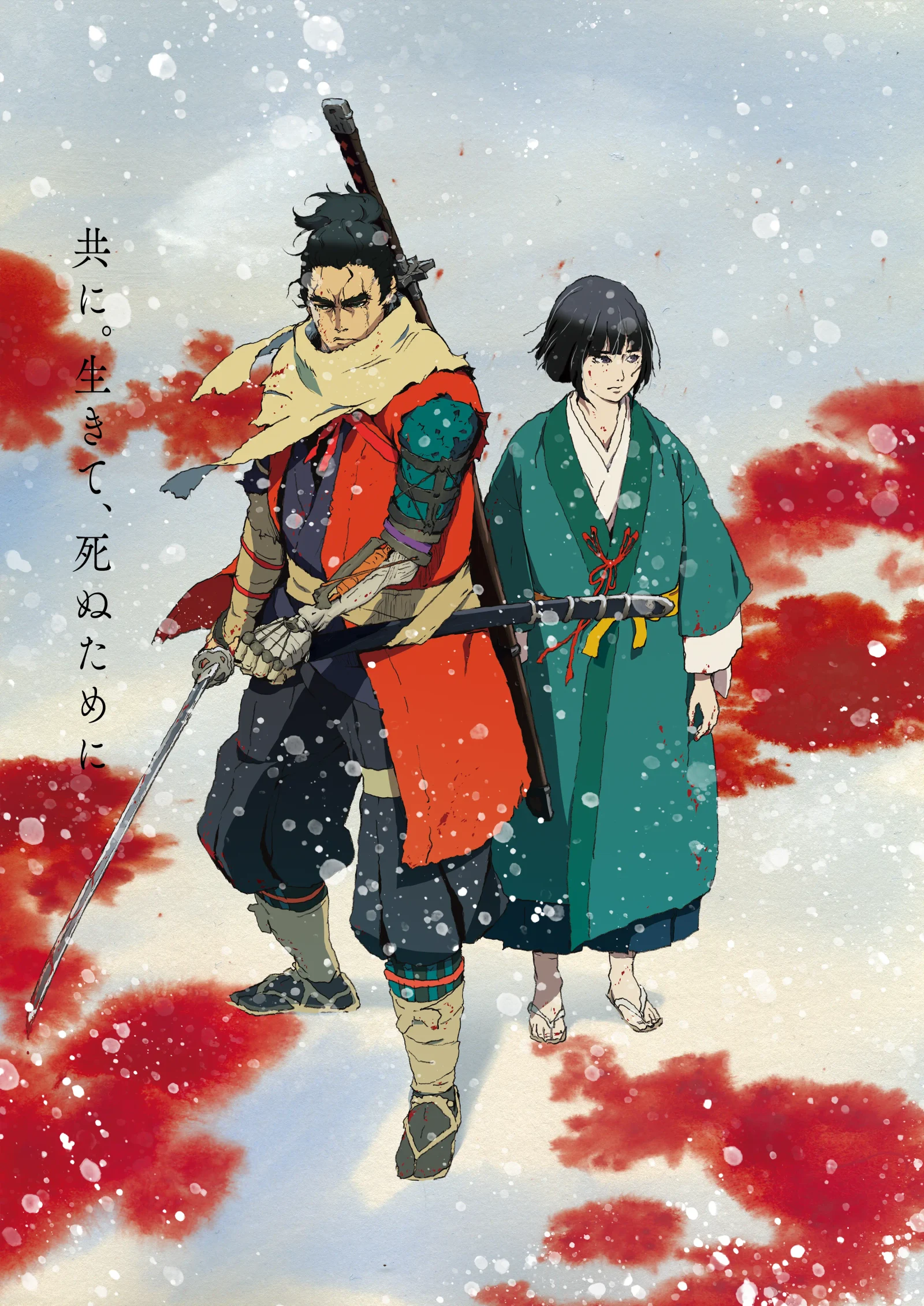
Wolf and Kuro in official key art for Sekiro: No Defeat. Credit: KADOKAWA / Qzil.la.
GAME FACT: In the game, Wolf is a shinobi bound to protect Kuro, the Divine Heir whose bloodline grants immortality at a cost; Genichiro Ashina is Kuro’s cousin and a central rival swordsman blocking Wolf’s path partway through the story.
OFFICIAL ADAPTATION STATEMENT: The official synopsis keeps that same core relationship intact — Wolf undertaking a dangerous journey for his master’s sake, with Kuro seeking to end the suffering the bloodline causes. Genichiro’s confirmed presence, including officially released clips of his duel with Wolf, indicates his role as an obstacle in Wolf’s path is preserved.
STILL UNKNOWN: How much of Genichiro’s own arc and motivations beyond that duel make it into a 107-minute film hasn’t been detailed.
Does the Anime Follow One Specific Game Ending?
STILL UNKNOWN. This is worth repeating on its own, since it’s the question most likely to get answered with a guess rather than a fact: no official material names a specific ending as the film’s outcome. Kutsuna’s comments about keeping the story “open to interpretation” describe an intent, not a confirmed plot resolution. Anyone claiming the film locks in one particular game ending is going beyond what Qzil.la, KADOKAWA or FromSoftware have actually said.
Do You Need to Play Sekiro First?
INTERPRETATION: Not strictly, based on what’s been confirmed. The official synopsis is written to stand on its own — a shinobi protecting a cursed heir, set in a fantastical Sengoku-era Japan — and doesn’t assume prior knowledge of game mechanics like the posture system or resurrection. That said, viewers who’ve played Shadows Die Twice are the ones equipped to notice exactly where the adaptation compresses, reorders or reframes material, since the film isn’t built to explain those choices to newcomers.
What the Film Leaves Out or Remains Unclear
Kutsuna has said full coverage of every game element wasn’t feasible, but the production has not published a list of which bosses, NPCs or side content made either cut. It has also not detailed how the TV version’s extra material changes those choices. The exact January 2027 streaming day and hour remain unconfirmed. The ending cannot be determined from the announcement alone; any claim that the TV cut follows a particular game ending needs direct evidence from the work or its creators.
Sources
- Crunchyroll News — Sekiro: No Defeat eight-episode series and January 2027 streaming — September 24, 2026
- Qzil.la — Sekiro: No Defeat eight-episode TV series announcement — September 25, 2026
- Sekiro: No Defeat — Official Site — September 4, 2026
- Geek Culture — Sekiro: No Defeat Gets New Trailer, Director Addresses Challenges Adapting Game to Series — June 1, 2026
- Crunchyroll News — Sekiro: No Defeat Japan theatrical release and future streaming — May 8, 2026
Make Red Reactions a preferred source
Choose Red Reactions as a preferred source in Google Search.
Confirm your choice on Google.
Related coverage

Ghost of Tsushima: Legends Anime Moves to 2028 — Cast, Staff and What We Know
Ghost of Tsushima: Legends moves from 2027 to 2028 on Crunchyroll. Check the new cast, production team, panel-only footage and release details still unannounced.
Kagurabachi Anime: April 2027 Release, Cast, Trailers and Streaming
Kagurabachi is set for April 2027. See the confirmed voice cast, Yuichi Nakamura's new Soshiro Azami role, official trailers and Crunchyroll streaming plans.
The Apothecary Diaries Season 3: October 2 Premiere, Crunchyroll and Cour 2
The Apothecary Diaries Season 3 premiered October 2 at 8 a.m. PT on Crunchyroll. Episode 1 is available; check international streaming regions, cour 2 and the official trailer.
Magic Knight Rayearth 2026 Beginner Guide — Do You Need to Watch the Original Anime First?
Magic Knight Rayearth's new anime premieres October 7, 2026. Here's the honest answer on whether you need the 1994 series or CLAMP's manga first, what's officially confirmed about the new adaptation, and where to watch everything.
About the author
Bamo Anwar
Anime & Gaming Writer
Bamo Anwar covers anime and gaming for Red Reactions. His work ranges from release news and detailed trailer breakdowns to beginner guides, watch orders and explainers designed to make large franchises and game systems easier to enter.
Coverage: Anime · Gaming · Beginner Guides · Watch Orders · Explainers
More from Bamo Anwar