feature · movies / tv
Every Carrie Adaptation Explained: 1976, 2002, 2013 and the 2026 Series
How Stephen King's Carrie changed across Brian De Palma's 1976 film, the 2002 TV movie, Kimberly Peirce's 2013 remake and Mike Flanagan's 2026 series.
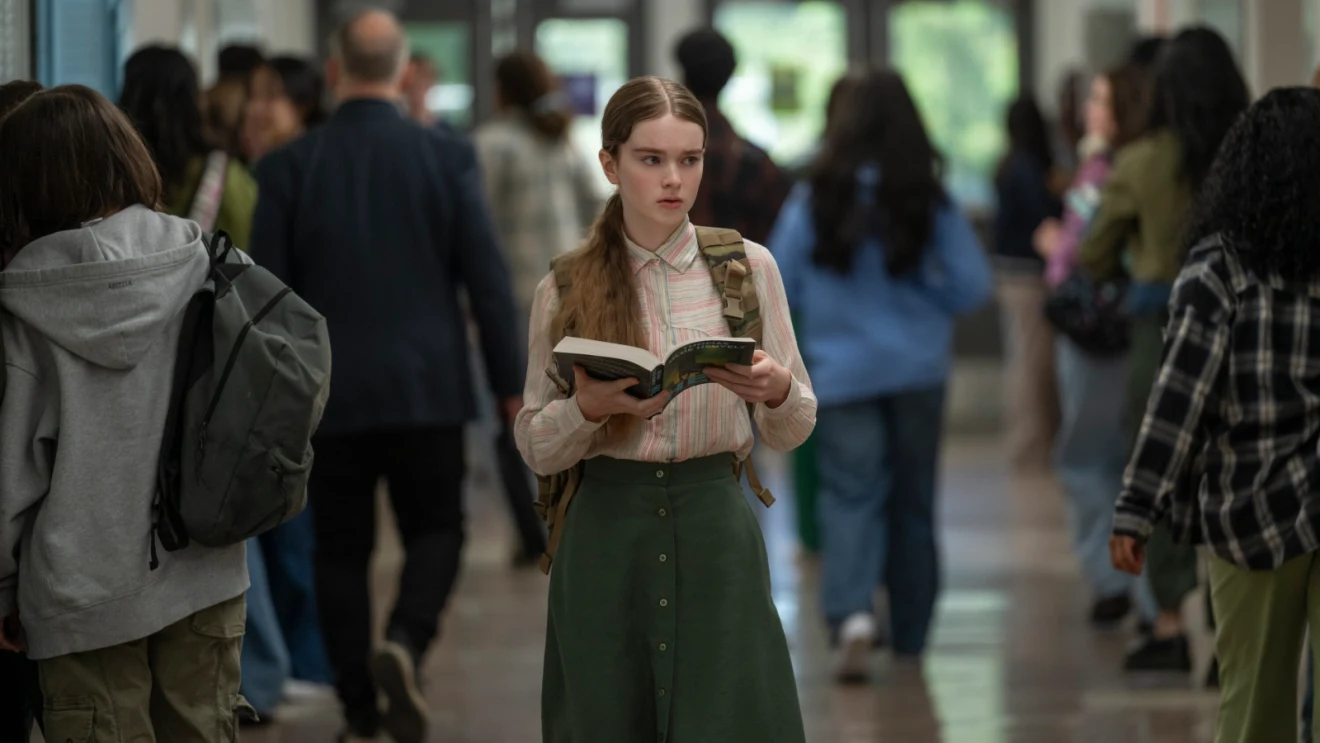
There are four major direct screen adaptations of Stephen King’s Carrie: Brian De Palma’s 1976 film, a 2002 television movie, Kimberly Peirce’s 2013 film and Mike Flanagan’s 2026 Prime Video series. The Rage: Carrie 2 (1999) also belongs to the franchise, but it is a sequel rather than another adaptation of the same novel.
The differences are bigger than the actors, decades and camera styles. Each version changes how the audience sees Carrie White: a tragic outsider, a frightening force, a student failed by her peers or a girl whose abilities could connect her to others. This comparison contains major ending spoilers.
A quick guide to the Carrie screen versions
| Year | Work | Format | Carrie White | What makes it distinct |
|---|---|---|---|---|
| 1976 | Carrie, directed by Brian De Palma | Feature film | Sissy Spacek | Focused cinematic tragedy and an iconic prom sequence |
| 1999 | The Rage: Carrie 2, directed by Katt Shea | Feature sequel | Centers on Rachel, not Carrie White | A continuation rather than a direct retelling |
| 2002 | Carrie, directed by David Carson | Television movie | Angela Bettis | A television reinterpretation with a different escape ending |
| 2013 | Carrie, directed by Kimberly Peirce | Feature film | Chloë Grace Moretz | Modern setting, updated school cruelty and a renewed mother-daughter conflict |
| 2026 | Carrie, developed by Mike Flanagan | Eight-episode TV series | Summer H. Howell | More time for the ensemble and an expanded supernatural storyline |
The 2002 film is important because calling the 2026 series the first television adaptation would be incorrect. Amazon describes Flanagan’s version as the first full series adaptation. Those are different claims.
First, the 1974 novel that started everything
Stephen King’s first novel, published on April 5, 1974, introduces Carrie as a girl abused at home and humiliated at school who discovers she has telekinesis. Its structure is part of what makes it different from a conventional screenplay. Readers receive the story through narrative scenes and the accumulated evidence of a disaster, rather than staying inside one character’s point of view from beginning to end.
The famous prom is therefore both an event and something reconstructed afterward. That leaves room for guilt, rumor and other people’s attempts to explain a tragedy they helped create. Adaptations decide how much of that distance to keep.
Carrie (1976): Brian De Palma turns shame into cinematic terror
The 1976 movie stars Sissy Spacek as Carrie and Piper Laurie as Margaret, with Amy Irving as Sue Snell. Brian De Palma concentrates the novel’s sprawling account into a visually controlled tragedy. The prom sequence uses framing, movement, music and mounting dread to turn the audience’s knowledge of an approaching disaster into tension.
As the BFI’s retrospective explains, the film’s craft is inseparable from the horror: its famous climax is not simply a display of powers. It’s the collision of fleeting acceptance and carefully prepared humiliation. De Palma’s version ends with a devastating final image rooted in Sue’s trauma.
If you watch only one historical film before the new series, the 1976 version is the most useful baseline. Its influence is visible whenever a later adaptation revisits the school gym, the blood or the image of Carrie after the prank.
The Rage: Carrie 2 (1999): a sequel, not a remake
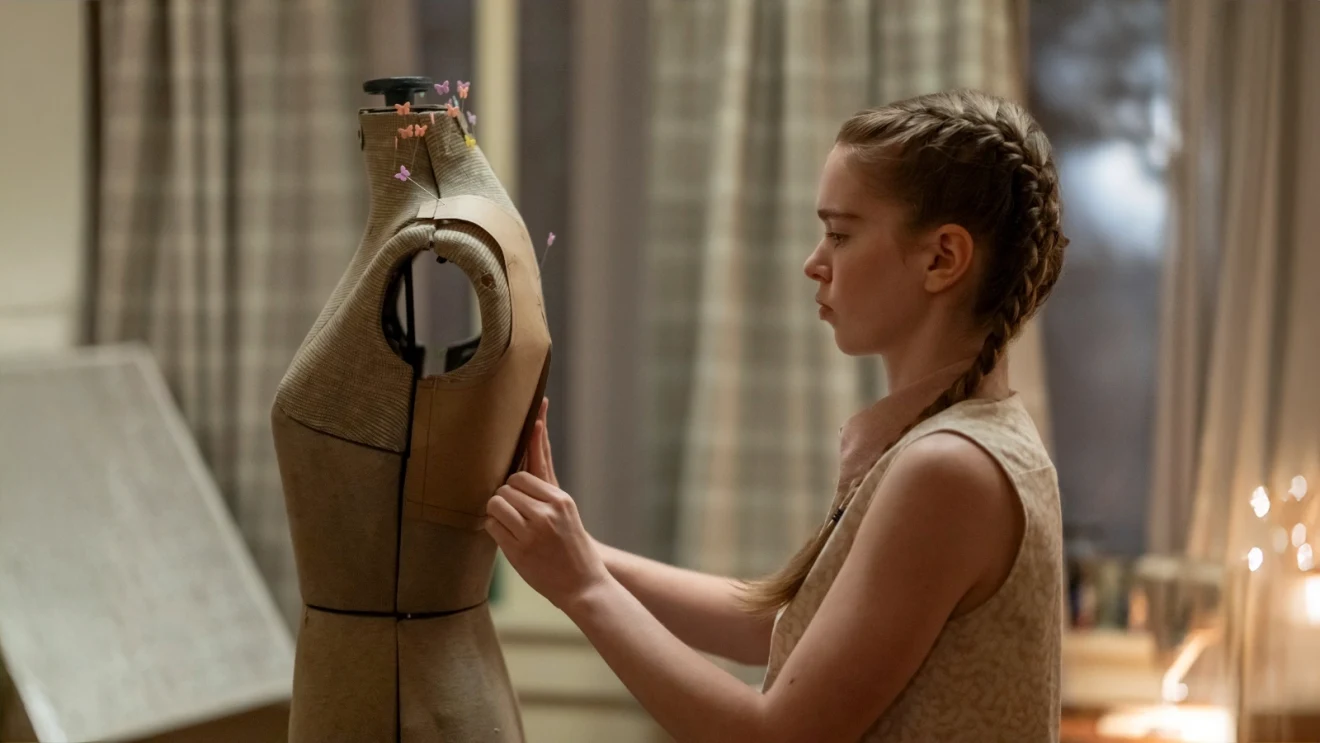
The 1999 film shifts attention to Rachel Lang, another teenager with telekinetic abilities, rather than simply recasting Carrie White and replaying the same narrative. That makes it useful as a historical curiosity in the franchise, but it should not be counted as a fifth direct adaptation of the original book.
This distinction also clarifies why a viewing order is straightforward: you do not need The Rage to understand the 2002, 2013 or 2026 retellings. Each of those versions goes back to King’s original premise.
Carrie (2002): the television version changes the fate of its heroine
Angela Bettis plays Carrie in the 2002 television film, with Patricia Clarkson as Margaret White. Because it was developed for television, the adaptation has a different storytelling rhythm from De Palma’s theatrical film. The most important difference is its ending: this version allows Carrie to survive and escape with Sue’s help.
That detail matters when discussing Flanagan’s finale. The 2026 series is not the first screen version to let Carrie live. What is new is the way it combines Carrie’s survival with a broader network of people who have different psychic abilities. Those two ideas create a substantially different prospect for her future.
Carrie (2013): a different generation of school cruelty
Kimberly Peirce’s 2013 film stars Chloë Grace Moretz as Carrie and Julianne Moore as Margaret. It returns to a feature-film structure while reframing bullying for a more connected age. Screens and circulation of humiliating images become part of Carrie’s vulnerability, but the film remains much closer to the traditional tragic arc than Flanagan’s expanded final episodes.
Putting it between 1976 and 2026 reveals an important shift: updating the technology around bullying does not necessarily change the character’s ending. The choices that matter most are about responsibility, sympathy and what kind of future the story allows Carrie to have.
Carrie (2026): eight episodes and a new supernatural direction
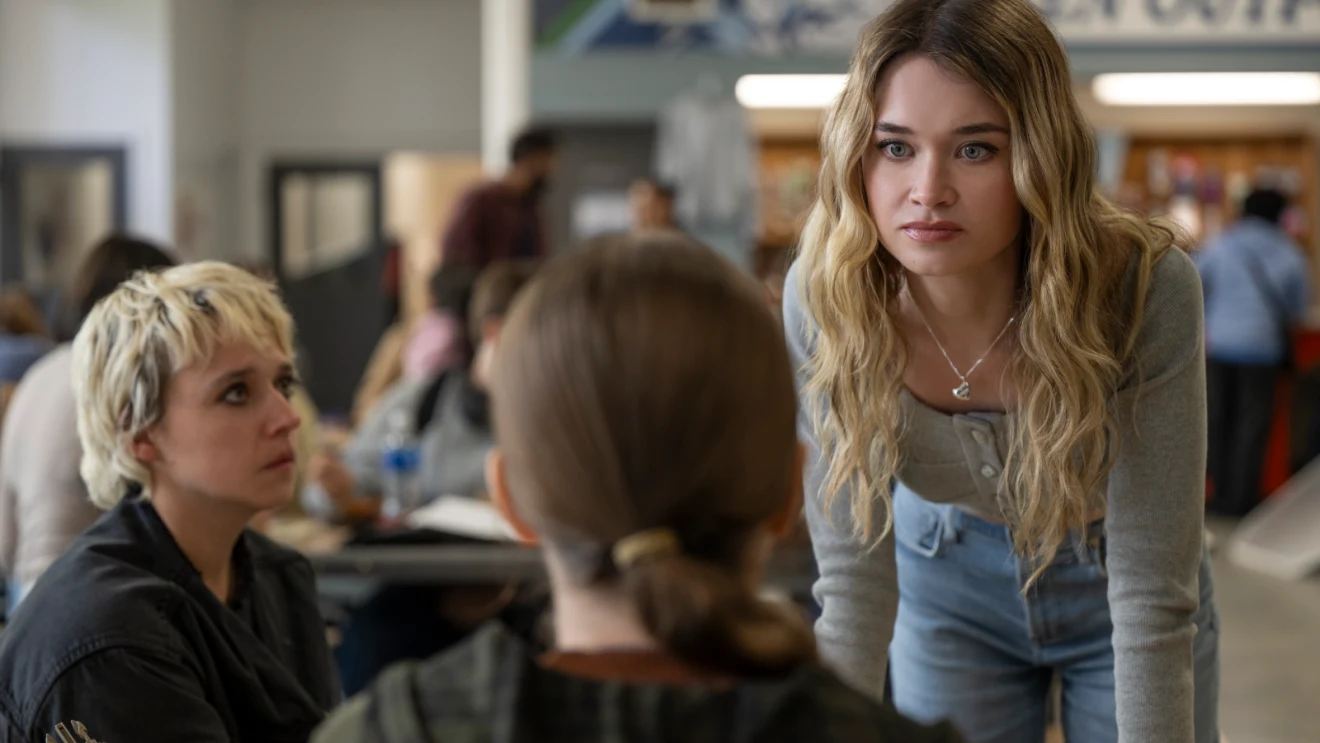
Flanagan makes the most substantial change in structure. Eight episodes let him devote much more time to Margaret, Sue, Chris and the school’s wider adult world. His version brings cyberbullying and social media into the center of the premise; more importantly, it refuses to end at the same emotional destination as the original novel.
At the finale, Carrie survives and leaves with Emaline, who is not merely the friend Carrie had imagined. Margaret is revealed to possess telekinetic powers as well, while a group of other gifted women expands the story beyond a single extraordinary teenager. The show does not confirm a second season simply by leaving these questions open.
The challenge is a trade-off. A tragic ending makes Carrie a story about a life that cannot be saved; an open ending makes room for escape and possibilities outside Chamberlain. Neither choice is automatically more faithful to the story’s emotional truth. They emphasize different questions.
Which Carrie should you watch first?
For a newcomer who wants to understand the franchise’s reputation, start with 1976, then sample 2026 for the biggest structural contrast. Watch 2013 to compare a more compact modern retelling, and 2002 if you’re especially interested in how different versions handle the ending. The Rage is optional and works better after you know the original film.
If you only want the newest show, no prior viewing is required. Our Carrie (2026) series guide has the release, episodes and cast. The full ending explanation tracks exactly who survives; the powers guide unpacks the new mythology.
The 2026 tie-in book isn’t a new sequel
The 2026 Vintage television tie-in edition is a repackaging of King’s original novel, with an introduction by Margaret Atwood. It is not a novelization of Flanagan’s eight episodes and does not explain what happens to Carrie after the new TV ending.
Sources
- Stephen King — Carrie novel publication and premise
- BFI — Carrie (1976) film information
- BFI — Carrie: films that influenced De Palma's horror classic
- GQ — Carrie adaptations across 1976, 2002, 2013 and 2026
- About Amazon — Carrie (2026) and the 1976 film anniversary
- TV Insider — Carrie novel and series ending comparison
- Penguin Random House — Carrie television tie-in paperback
- Book Riot — the differing 2002 escape ending
- Prime Video — The Rage: Carrie 2 credits and Rachel premise
Make Red Reactions a preferred source
Choose Red Reactions as a preferred source in Google Search.
Confirm your choice on Google.
Related coverage
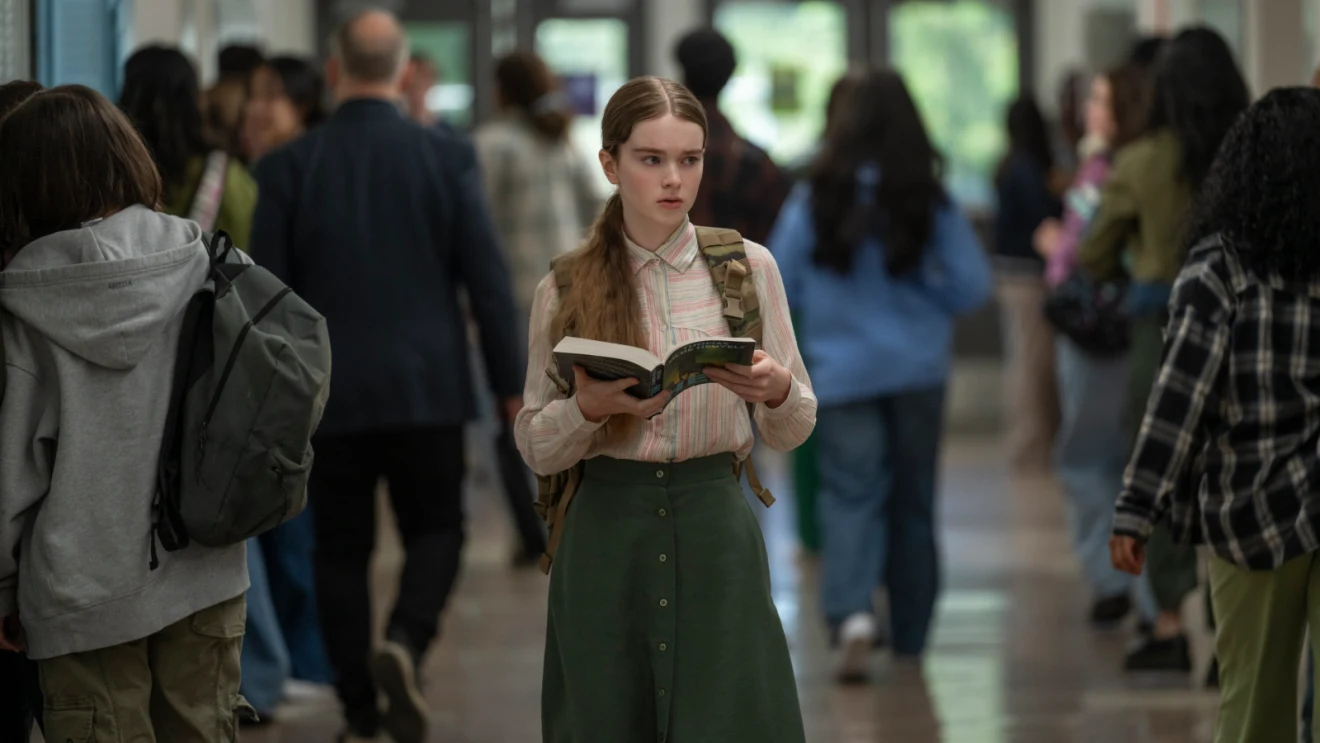
Carrie (2026) on Prime Video: Cast, All Eight Episodes and What to Know
A spoiler-light guide to Mike Flanagan's Carrie series: its October 2026 release, eight episodes, cast, creators, trailer and connections to Stephen King's novel.
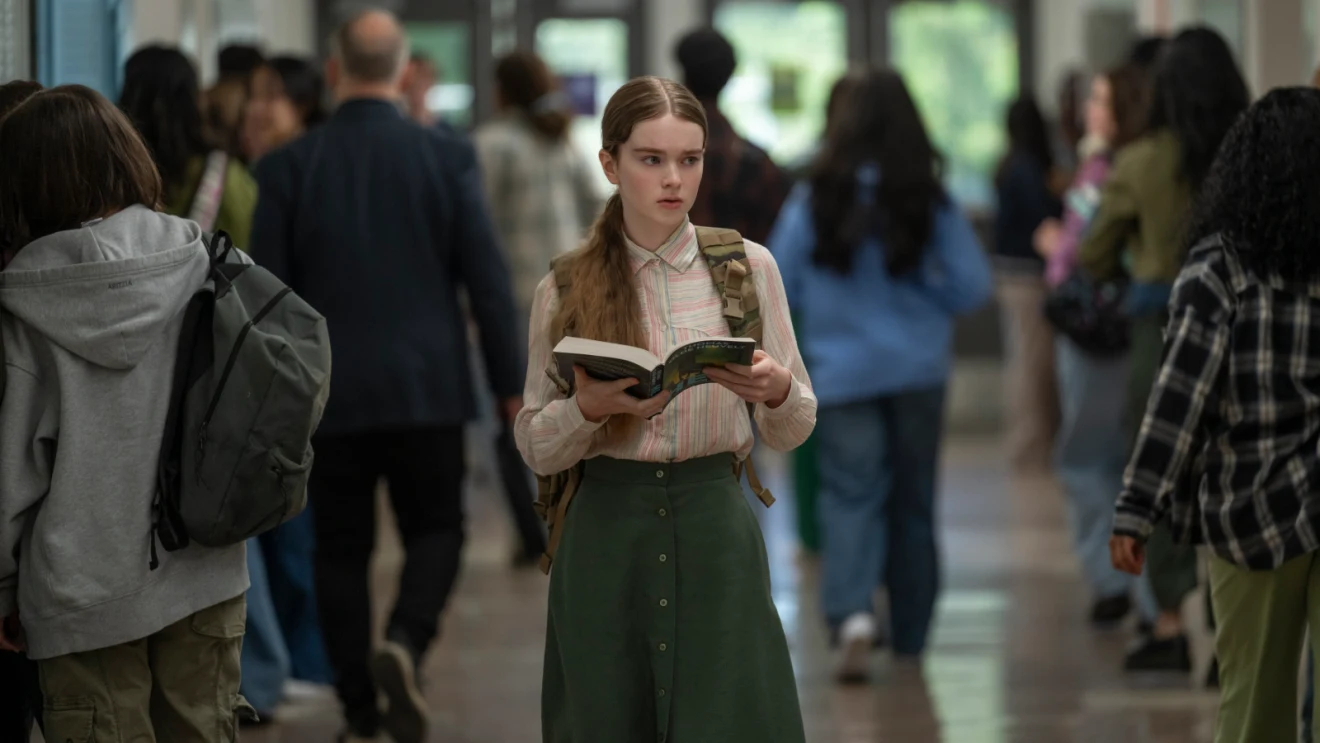
Carrie White's Powers Explained: Telekinesis, Emaline and the 2026 Series
What Carrie White can do, how her abilities work in Stephen King's novel and what Prime Video's 2026 finale reveals about Margaret and Emaline. Full spoilers.
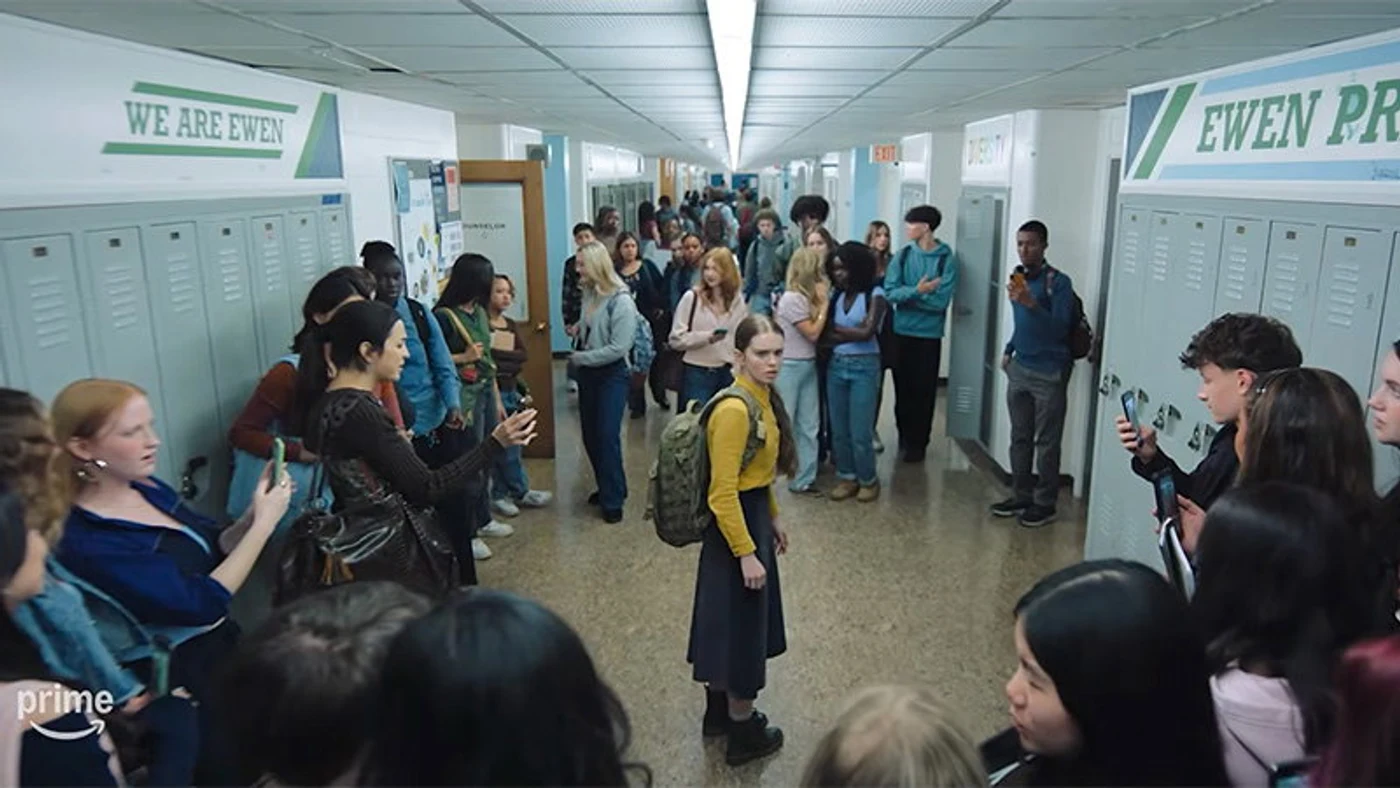
Carrie Ending Explained — Emaline, Margaret and What Season 2 Could Answer
Full spoilers for Carrie Season 1: who survives, Emaline's identity, Margaret's powers, Kate Siegel's interviewer and the unconfirmed Season 2 question.
Carrie Trailer Breakdown — How Mike Flanagan's Prime Video Series Expands Stephen King's Story
A retrospective of Prime Video's original Carrie trailer and what it revealed before the eight-episode series premiered on October 7, 2026.
About the author
Sara Avegaard
Movies & TV Writer
Sara Avegaard covers film, television and streaming for Red Reactions. Her archive spans entertainment news, production and release developments, trailer coverage and explainers that put new announcements in context.
Coverage: Movies · TV & Streaming · Entertainment News · Explainers
More from Sara Avegaard