feature · tv
Carrie (2026) Cast and Characters: Who Plays Carrie, Margaret, Sue and Chris?
Meet the main characters in Prime Video's 2026 Carrie series and learn how the expanded school ensemble changes Stephen King's story without major finale spoilers.
 By Kenza Benouna5 min read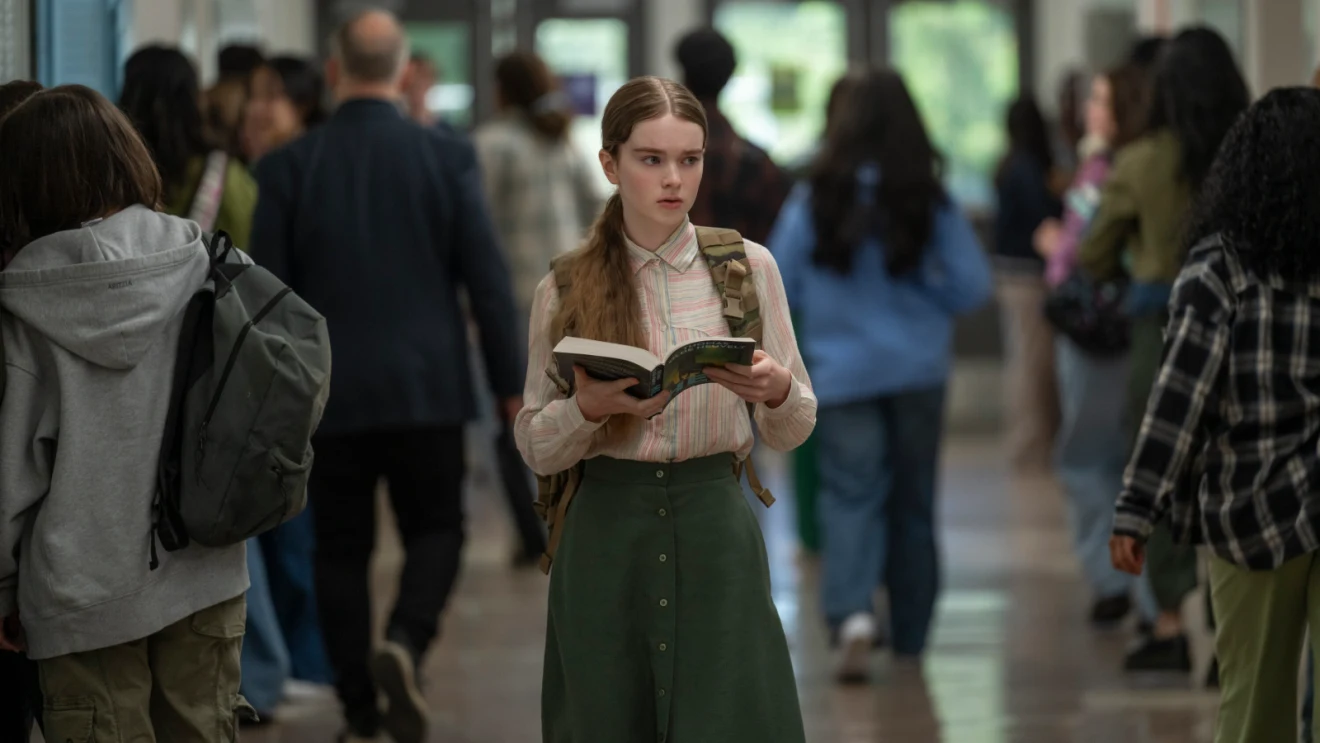
Summer H. Howell plays Carrie White, Samantha Sloyan plays her mother Margaret, Siena Agudong plays Sue Snell and Alison Thornton plays Chris Hargensen in Prime Video’s 2026 adaptation. Mike Flanagan has eight episodes to develop the school around them, so the ensemble matters more than a quick list of recognizable names might suggest.
This is a spoiler-light character guide. It covers established roles and relationships, not the late-season revelations about who survives or what the supernatural storyline ultimately becomes.
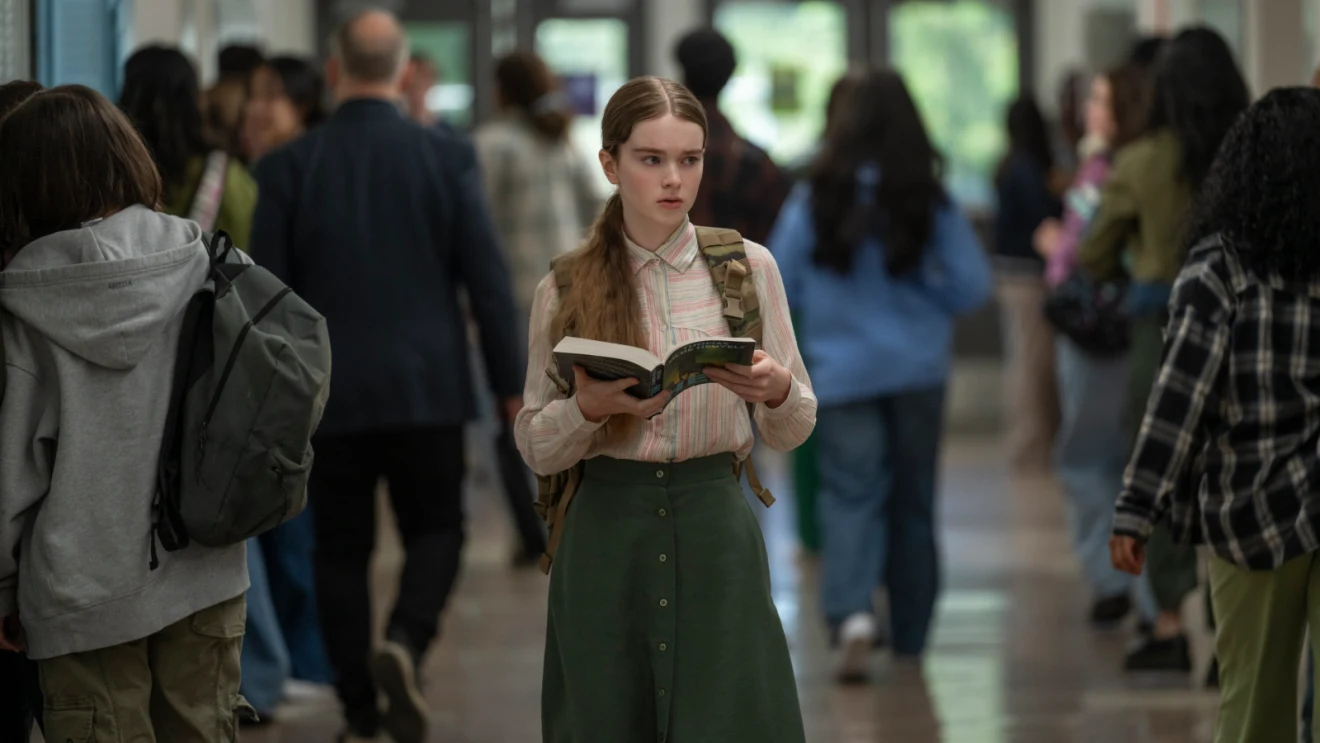
Summer H. Howell as Carrie White
Carrie is not familiar with the social rules her classmates take for granted. Her sheltered upbringing makes ordinary school experiences uncertain, and public humiliation becomes more damaging when classmates can record and circulate it. Howell has to carry a character defined by contradictory feelings: a desire to belong, fear of other people and an extraordinary ability she barely understands.
Unlike an adaptation built around the inevitable prom scene alone, the eight-part format can show Carrie’s everyday life before that turning point. Amazon’s official synopsis specifically places her father’s death and the transition into public school at the beginning of this version. Those are important details when comparing her history with King’s novel and earlier films.
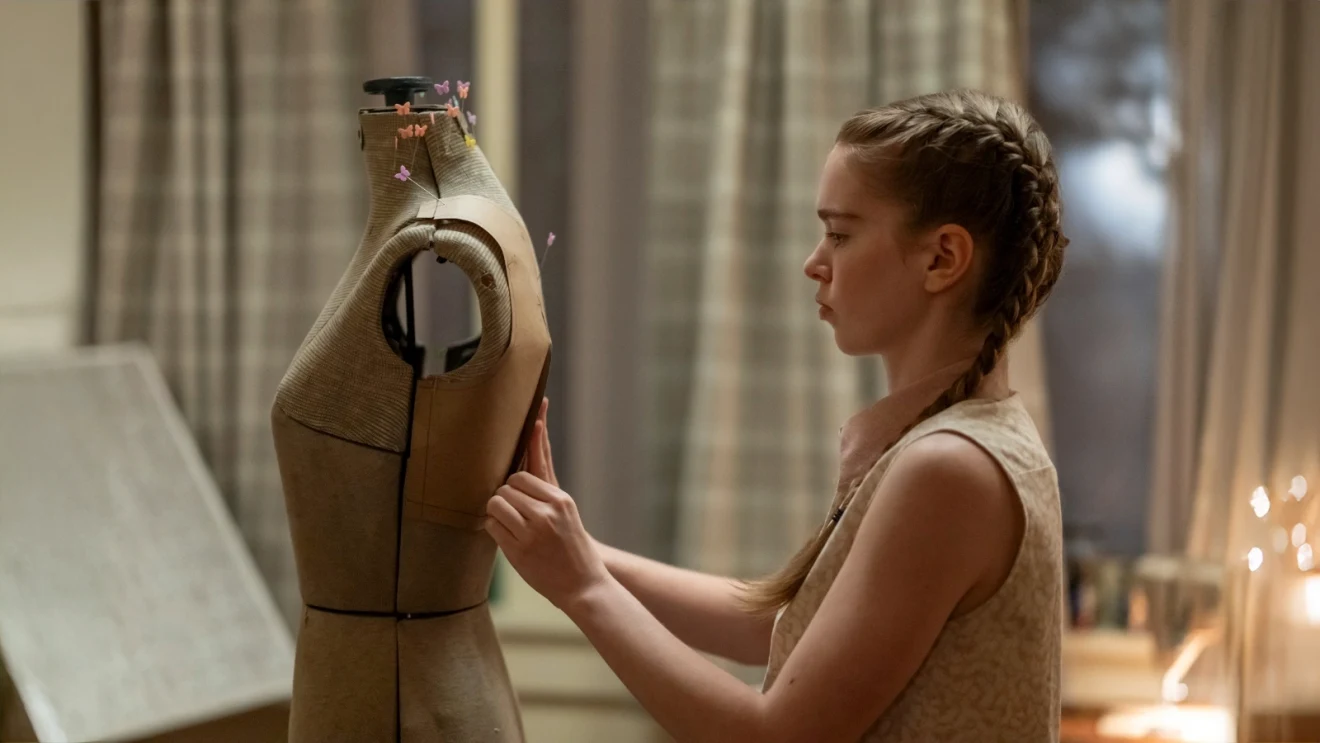
Samantha Sloyan as Margaret White
Margaret is Carrie’s mother and the person who has controlled nearly every part of her upbringing. King’s original Margaret is defined by religious repression and fear of sexuality; Flanagan’s version retains the suffocating parent-child relationship but gives it a more contemporary context.
The role cannot work merely as a frightening obstacle. Margaret’s control is part of the story’s emotional logic: Carrie arrives at school with few tools for recognizing manipulation, friendship or ordinary disagreement. Sloyan is a familiar Flanagan collaborator, but the more relevant point is how Margaret’s decisions restrict Carrie’s ability to form an independent identity.
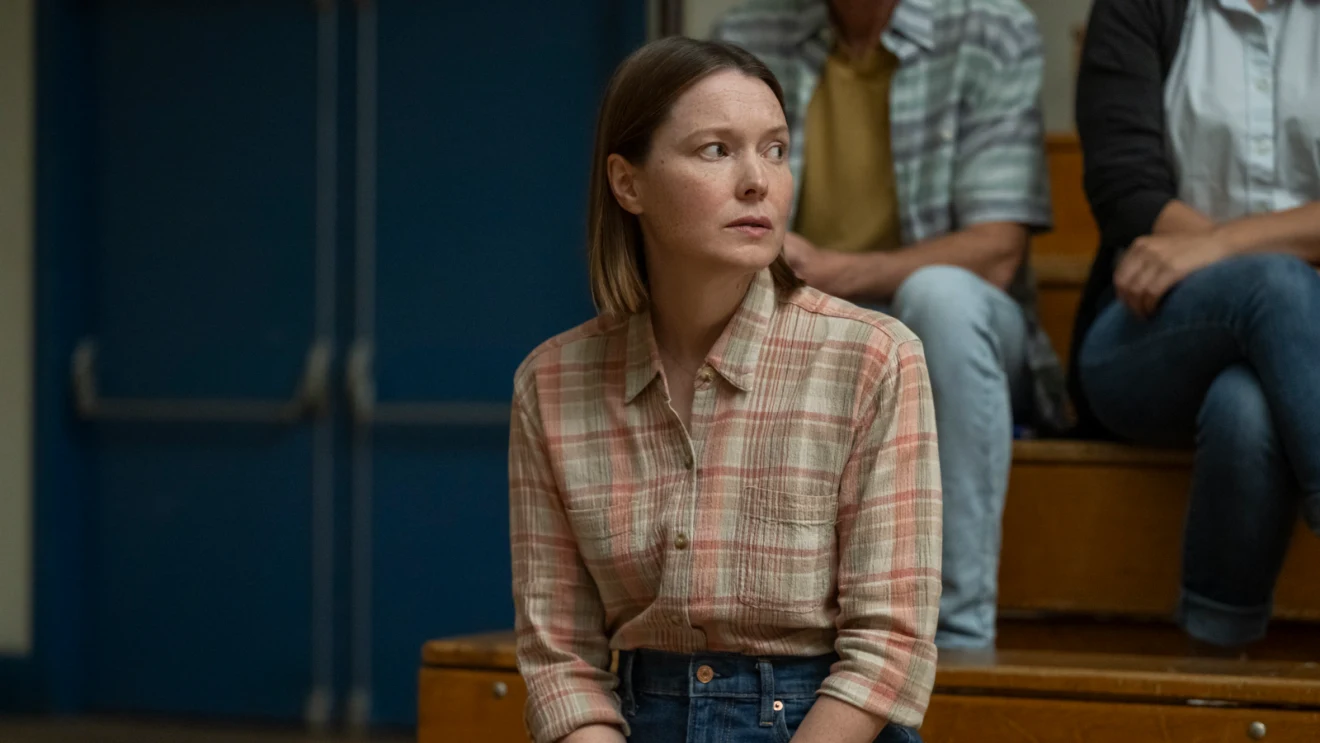
Siena Agudong as Sue Snell and Joel Oulette as Tommy Ross
Sue and Tommy are central because the story does not divide Carrie’s classmates neatly into bullies and innocent bystanders. Sue has to confront her own part in the school’s cruelty, while Tommy’s involvement gives the possibility of kindness a personal cost.
The difference between pity, guilt and genuine respect matters here. A character can try to do the right thing without understanding what another person needs. Sue and Tommy’s relationship offers a way of exploring that ambiguity outside Carrie’s family home.
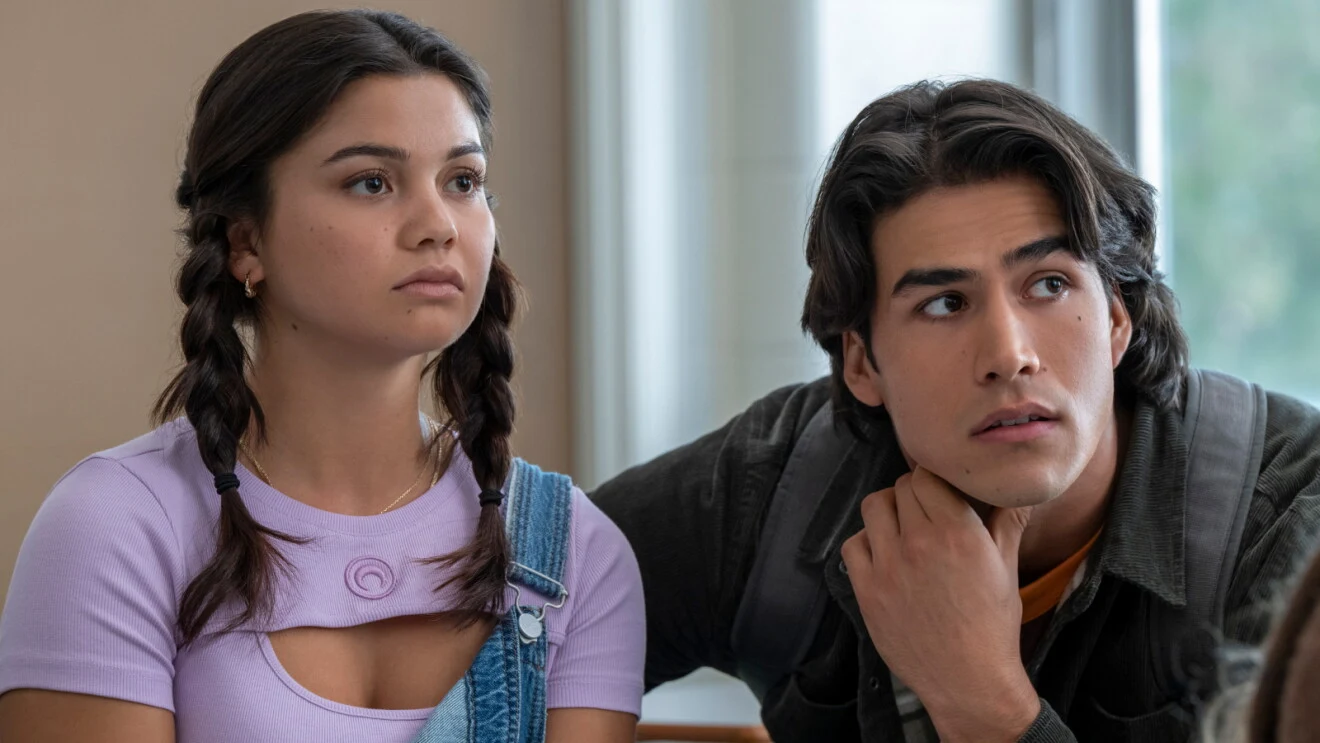
Alison Thornton as Chris Hargensen and Arthur Conti as Billy Nolan
Chris is one of the main engines of Carrie’s mistreatment at school. Billy is her boyfriend, and the pair’s decisions have consequences far beyond a cruel joke. A contemporary setting complicates the familiar bully archetype because humiliation is no longer confined to a hallway, locker room or single evening.
That doesn’t automatically make Chris sympathetic or excuse her behavior. Flanagan told Reuters that he wanted characters to feel complicated and to investigate the difference between cruelty and kindness. Complexity here should mean understanding how harmful choices happen, not treating their effects as unimportant.
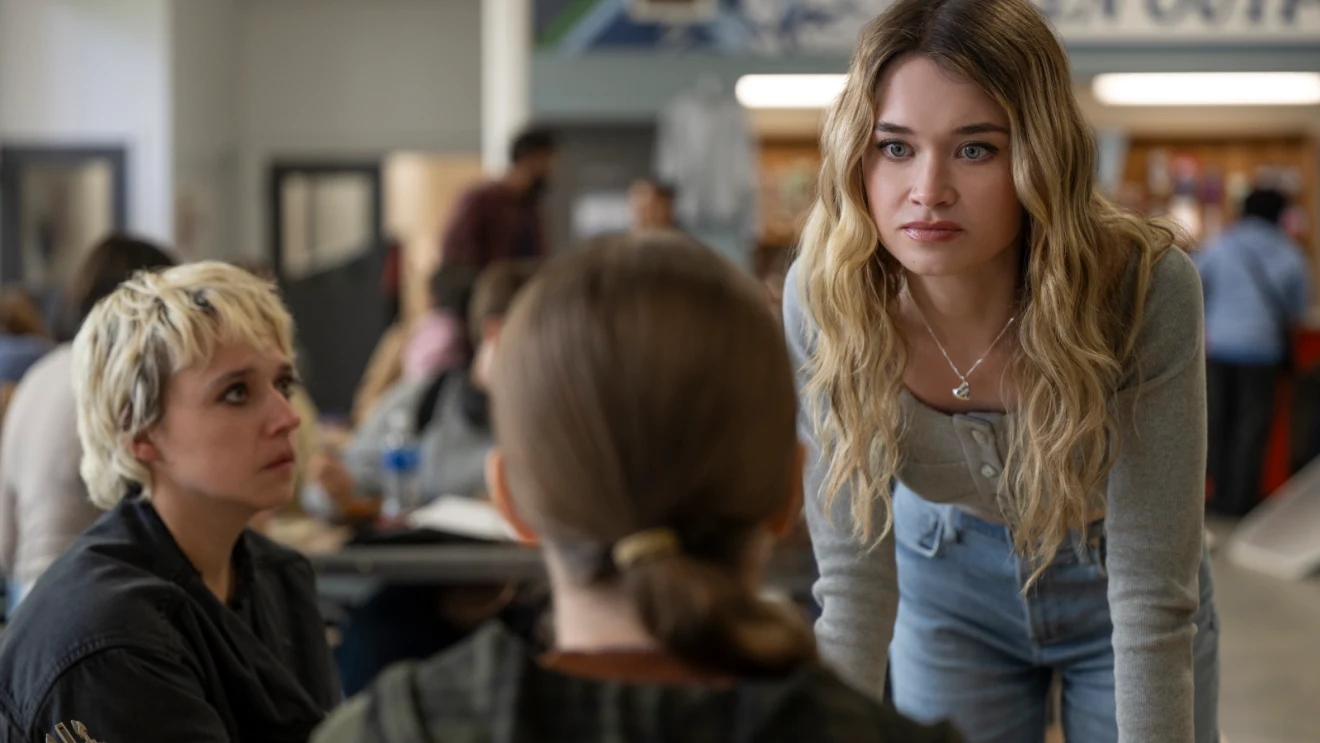
Amber Midthunder as Miss Desjardin and Matthew Lillard as Principal Grayle
Teachers and administrators are more than background figures in a story about systematic bullying. Amber Midthunder plays Miss Desjardin, the teacher positioned closest to the students’ treatment of Carrie. Matthew Lillard plays Principal Grayle, whose authority puts him in the middle of the school’s response.
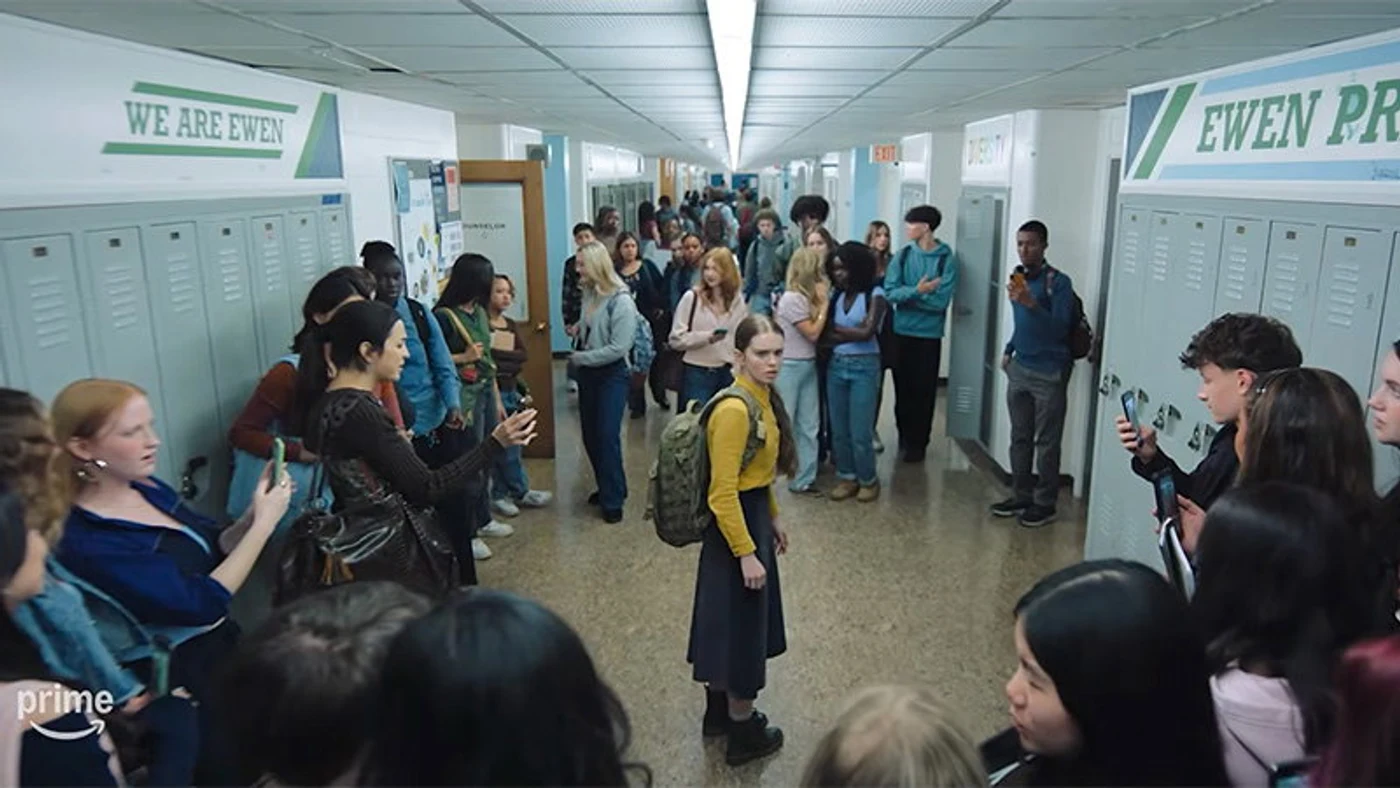
Their positions raise a question that runs through the series: how much can adults prevent when students know how to conceal cruelty or perform remorse? The issue becomes sharper when phones and viral attention keep the conflict moving outside school hours.
Thalia Dudek as Emaline and Josie Totah as Tina
Emaline, played by Thalia Dudek, is introduced as a significant presence in Carrie’s life. Explaining the full nature of that connection would spoil the later episodes, so it is better to leave the mystery intact for new viewers. Josie Totah plays Tina, another student who adds to the series’ larger picture of peer pressure, complicity and reactions to Carrie.
Recurring guest performers also include Kate Siegel, Rahul Kohli, Heather Graham and other actors named in Stephen King’s production listing. A cast list alone does not establish how much screen time or narrative responsibility a guest actor has; those details should be judged from the episodes, not inferred from publicity billing.
Why the supporting characters matter more in 2026
The 1976 film had to turn a compact but layered novel into a theatrical narrative. The listed episodes total 417 minutes, just under seven hours, giving the television series substantially more room than a feature film. Its best opportunity is not the promise of a longer prom sequence; it is the chance to make the quieter choices before prom carry weight.
The result is a story whose tension depends on more than one frightening ability. Carrie can move objects, but the students around her can change how she sees herself. So can the adults who supposedly protect her. That makes the ensemble essential to understanding the series, even for viewers who already know what happens in the famous story.
For streaming and episode information, use our complete Carrie (2026) guide. After finishing the season, our ending explanation and powers guide cover the spoilers this page avoids.
Sources
Make Red Reactions a preferred source
Choose Red Reactions as a preferred source in Google Search.
Confirm your choice on Google.
Related coverage
Carrie (2026) on Prime Video: Cast, All Eight Episodes and What to Know
A spoiler-light guide to Mike Flanagan's Carrie series: its October 2026 release, eight episodes, cast, creators, trailer and connections to Stephen King's novel.
Carrie Trailer Breakdown — How Mike Flanagan's Prime Video Series Expands Stephen King's Story
A retrospective of Prime Video's original Carrie trailer and what it revealed before the eight-episode series premiered on October 7, 2026.
Carrie Ending Explained — Emaline, Margaret and What Season 2 Could Answer
Full spoilers for Carrie Season 1: who survives, Emaline's identity, Margaret's powers, Kate Siegel's interviewer and the unconfirmed Season 2 question.
Every Carrie Adaptation Explained: 1976, 2002, 2013 and the 2026 Series
How Stephen King's Carrie changed across Brian De Palma's 1976 film, the 2002 TV movie, Kimberly Peirce's 2013 remake and Mike Flanagan's 2026 series.
About the author
Kenza Benouna
Movies, TV & Horror Writer
Kenza Benouna writes about movies and television, with a substantial archive in horror. Her Red Reactions work includes reviews, supernatural and franchise lore, story explainers and analysis of character, atmosphere and adaptation.
Coverage: Horror · Movies · TV · Reviews · Lore & Features
More from Kenza Benouna